• US$ Currency
    • € Euro
    • US$ US Dollar
  • My Account
    • Register
    • Login
  • Wish List (0)
  • Shopping Cart
  • Checkout
Mortch Motor Order System
  • Your shopping cart is empty!
Categories
  • Catalog
    • Engine
    • ATV
    • UTV
    • SSV

    • Show All Catalog
  • CFMoto ATV
    • CForce 400/450
    • CFMoto X5
    • CForce 520/550
    • CForce 600/625
    • CFMoto X6
    • CFMoto X8
    • CForce 800/850
    • CForce 1000

    • Show All CFMoto ATV
  • CFMoto SSV
    • ZForce 550
    • ZForce Z6
    • ZForce 800
    • ZForce 950/1000

    • Show All CFMoto SSV
  • CFMoto UTV
    • UForce 500 U5
    • UForce 550
    • UForce U6
    • UForce 600
    • UForce 800
    • UForce 1000

    • Show All CFMoto UTV
  • CFMoto Motorcycle
    • CFMoto 250
    • CFMoto 400
    • CFMoto 650
    • CFMoto 700
    • CFMoto 800

    • Show All CFMoto Motorcycle
  • Hisun
    • Hisun 400
    • Hisun 500
    • Hisun 700
    • Hisun 800
    • Hisun 1000

    • Show All Hisun
  • Engine Parts
    • CF/CH250 172MM
    • CF450 191Q
    • CF550 191R
    • CF500 188MR
    • CF625 196S
    • CF600 191S
    • CF800 2V91W
    • CF850 2V91W-A
    • CF1000 2V91Y
    • U10 380Y-3
    • Hisun 500cc 700cc
    • GY6 50cc 1P39QMB
    • GY6 125cc 1P52QMI
    • YP250 LH169MM
    • JOG 50cc 1E40QMB
    • Horizontal 50 -110

    • Show All Engine Parts
  • Tools
  • Accessories
    • Bulb
    • Belts
    • Cables
    • Pump
    • Gasket
    • Lock Sets
    • Starter Motor
    • Sport Sunglasses
    • Rear View Mirror
    • Voltage Regulator

    • Show All Accessories
  • Racing Parts
  • Brake System
  • Catalog
  • ATV
  • CF625-C X6
  • FUEL TANK

FUEL TANK

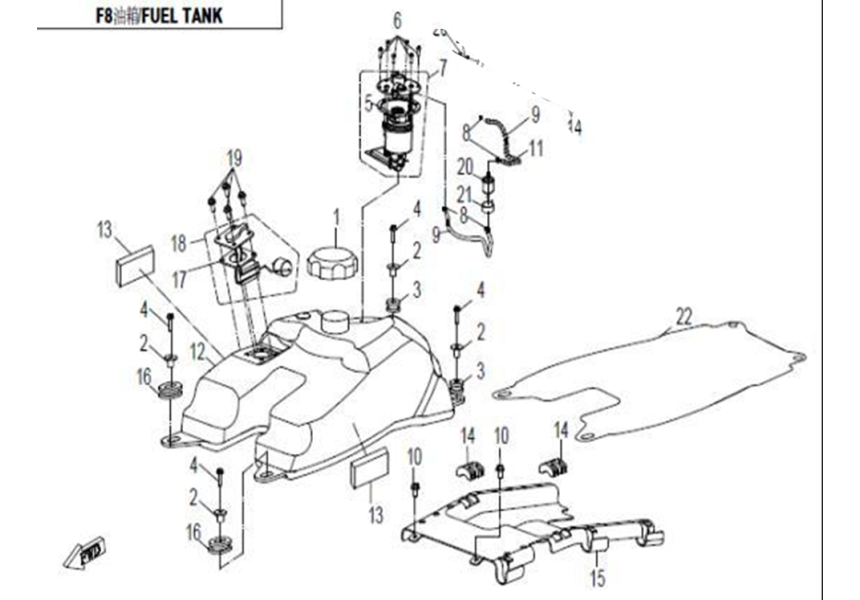
FUEL TANK CF625-C-F17

ATV Fuel Pump Maintenance & Diagnostic Guide

Complete manual for all-terrain vehicle fuel system troubleshooting, maintenance, and repair.

Fuel Pump Failure Symptoms & Diagnostic Process

Identification and troubleshooting methods for common ATV/UTV/SSV fuel pump problems.

Safety First: Always work in a well-ventilated area, away from sparks or open flames. Fuel is highly flammable. Disconnect the battery negative terminal before working on electrical components.

Common Symptoms of Fuel Pump Failure:

Starter motor cranks but engine won't start (no fuel delivery)
Engine starts but stalls immediately
Loss of power or poor acceleration under load
Engine surges or stutters
Unusual buzzing or whining noise from fuel tank area
Vehicle stalls after short periods of running
Poor fuel economy
Engine warning light on dashboard (EFI models)

Diagnostic Flowchart (Where to Start Checking):

Step 1: Basic Checks

Confirm sufficient fuel in tank (at least 1/4 full)
Check fuel lines for kinks, cracks, or leaks
Check fuel filter for blockage
Check fuel tank vent for blockage
Check fuel quality (for contamination or water)

Step 2: Electrical System Check

Listen for 2-3 second buzzing sound (initialization) when turning ignition ON
Check fuel pump fuse (usually 15-20A) and relay
Measure voltage at fuel pump connector (should be 12V+ during initialization)
Check ground wire connection
Check ECU control signal to fuel pump

Step 3: Fuel System Pressure Test

Connect fuel pressure gauge to test port (if equipped)
Check pressure against specifications (EFI systems typically 35-50 PSI)
Check pressure hold after pump stops (should hold for minutes)
Test fuel pressure under load

Common Fuel Pump Problems & Solutions:

Problem / Symptom Probable Cause & Solution
No fuel pump sound when turning ignition ON Cause: Blown fuse, faulty relay, wiring issue, pump failure
Solution: Check fuse/relay first. Measure voltage at pump connector. If no voltage reaches pump, check wiring and ECU.
Pump runs but no pressure or low pressure Cause: Clogged filter, restricted line, worn pump, clogged pump intake strainer
Solution: Replace fuel filter. Check lines for restrictions. Clean or replace pump intake strainer.
Intermittent operation (works sometimes) Cause: Poor electrical connection, failing pump, thermal protection
Solution: Check all connectors for oxidation/corrosion. Test immediately when failure occurs.
Unusually loud buzzing or whining noise Cause: Pump running dry, worn pump, cavitation
Solution: Ensure sufficient fuel. If noise persists, replace pump.
Engine starves for fuel under heavy load Cause: Insufficient pump output, restricted fuel flow, clogged filter
Solution: Test fuel pressure under load. Replace filter and/or pump.

Fuel Pump Maintenance Procedures

Preventive maintenance measures to extend the life of your ATV fuel pump and fuel system.

Pro Tip: Most fuel pump failures are caused by frequently running the tank empty. Fuel helps cool and lubricate the pump. Try to keep the tank at least 1/4 full.

Regular Maintenance Schedule:

Interval / Condition Maintenance Task
Every 100 hours or annuallyInspect fuel lines for cracks, leaks, or aging. Check all clamps and connections.
Every 200 hours or 2 yearsReplace fuel filter (more often if riding in dusty conditions or with questionable fuel quality).
Every 500 hours or 5 yearsConsider inspecting fuel pump and cleaning pump intake strainer (if serviceable).
When storing for >3 monthsAdd fuel stabilizer and run engine for 5 minutes to circulate treated fuel through system.
After water fording or submersionImmediately check fuel system for water contamination. Drain if necessary.
After every fuel pump replacementThoroughly clean fuel tank to remove any contaminants. Replace all related seals.

ATV Fuel Pump Replacement Guide:

Preparation:

Disconnect battery negative cable
Relieve fuel system pressure (EFI models): Loosen fuel cap, disconnect pump connector, crank engine until it stalls
Drain or siphon fuel to safe level (below pump access point)
Prepare tools: socket set, screwdrivers, new pump assembly, new gasket/O-ring
Ensure work area is well-ventilated, no open flames

Removal Steps:

Disconnect fuel lines and electrical connector from pump
Remove pump mounting bolts or locking ring (special tool may be required)
Carefully lift pump assembly out of tank
Note orientation of components and wiring for reassembly
Inspect and clean pump mounting surface

Installation Steps:

Thoroughly clean mounting surface on tank
Install new gasket or O-ring (apply a small amount of petroleum jelly to rubber parts)
Place new pump assembly into tank (ensure correct orientation)
Secure with bolts or locking ring (tighten to specification)
Reconnect fuel lines and electrical connector
Reconnect battery, check for leaks before starting
Turn ignition ON to initialize pump, check for abnormal sounds

Important: Always use OEM or high-quality replacement parts. Cheap aftermarket fuel pumps often have shorter lifespans. When replacing a failed pump, always thoroughly clean the fuel tank to remove all contaminants.

Fuel System Cleaning & Care:

Periodically use reputable brand fuel system cleaner
Avoid low-quality fuel; refuel at reputable stations
Before long-term storage, fill system and add stabilizer
Regularly check fuel cap seal to prevent moisture ingress
After water fording, check fuel filter bowl for water

Fuel Pump Testing Methods

How to properly test your ATV fuel pump using basic tools.

Typical Fuel Pump Technical Parameters:

Operating Voltage: 12V DC (Normal Range: 10.5-14.5V)
Operating Current: 4-8A (depends on specific model)
Resistance Value: 1-5 Ohms (refer to service manual)
Flow Rate: 0.5-1.2 liters/minute

Electrical Tests (Multimeter Required):

Resistance Test (Bench Test):

Remove pump from vehicle
Set multimeter to Ohms (Ω)
Measure resistance between pump terminals
Normal range: 1-5 Ohms (refer to specific service manual)
∞ (Infinite) resistance = Open circuit (pump failed)
0-0.5 Ohms = Possible short circuit (pump failed)

Voltage Test (In-Vehicle Test):

Insert multimeter probes into fuel pump electrical connector (set to DC Voltage)
Turn ignition ON (do not start engine)
Should show battery voltage (12V+) for 2-3 seconds during initialization
If no voltage: Check fuse, relay, wiring, ECU signal

Current Test:

Connect multimeter in series with pump power wire (set to DC Current)
Normal current: 4-8 Amps (depends on pump size)
High current (>10A) indicates pump working too hard (clogged or failing)
Low current (<3A) may indicate weak pump or electrical issue

Mechanical / Flow Tests:

Flow Test:

Disconnect fuel line at fuel rail or carburetor
Place hose end into approved container
Turn ignition ON (or jumper pump relay) to activate pump
Measure fuel output over 15 seconds
Normal value: 0.5-1.0 liters/minute (refer to service manual)
Weak flow indicates clogged filter, restricted line, or weak pump

Pressure Test (EFI System):

Connect fuel pressure gauge to test port on fuel rail
Turn ignition ON to initialize system
Record pressure value (Most ATVs: 35-50 PSI)
Start engine – pressure should remain steady
Pinch return line (if equipped) – pressure should rise significantly
Turn engine off – pressure should hold for minutes

Testing Tip: Always compare test results against manufacturer specifications. Fuel pump performance can vary with temperature and voltage. For accurate results, ensure battery is well charged (at least 12.6V) during testing.

Troubleshooting Quick Reference:

Test Result Interpretation
No voltage at pump connectorCheck fuse, relay, wiring, ignition switch, ECU
Voltage present but pump doesn't runPump failed, bad ground, seized pump
Pump runs but no/low pressureClogged filter/strainer, restricted line, weak pump, faulty pressure regulator
Pressure drops quickly after shutdownLeaking injector, failed internal check valve, external leak
Pressure too highFaulty pressure regulator, restricted return line

ATV Fuel System Maintenance Guide | For reference only. Always consult official vehicle service manuals and authorized dealer recommendations.

ATV/UTV/SSV Fuel System Maintenance Guide | For reference only

If you are unable to find the corresponding parts for the catalog, please contact us.
Image/No Product Price
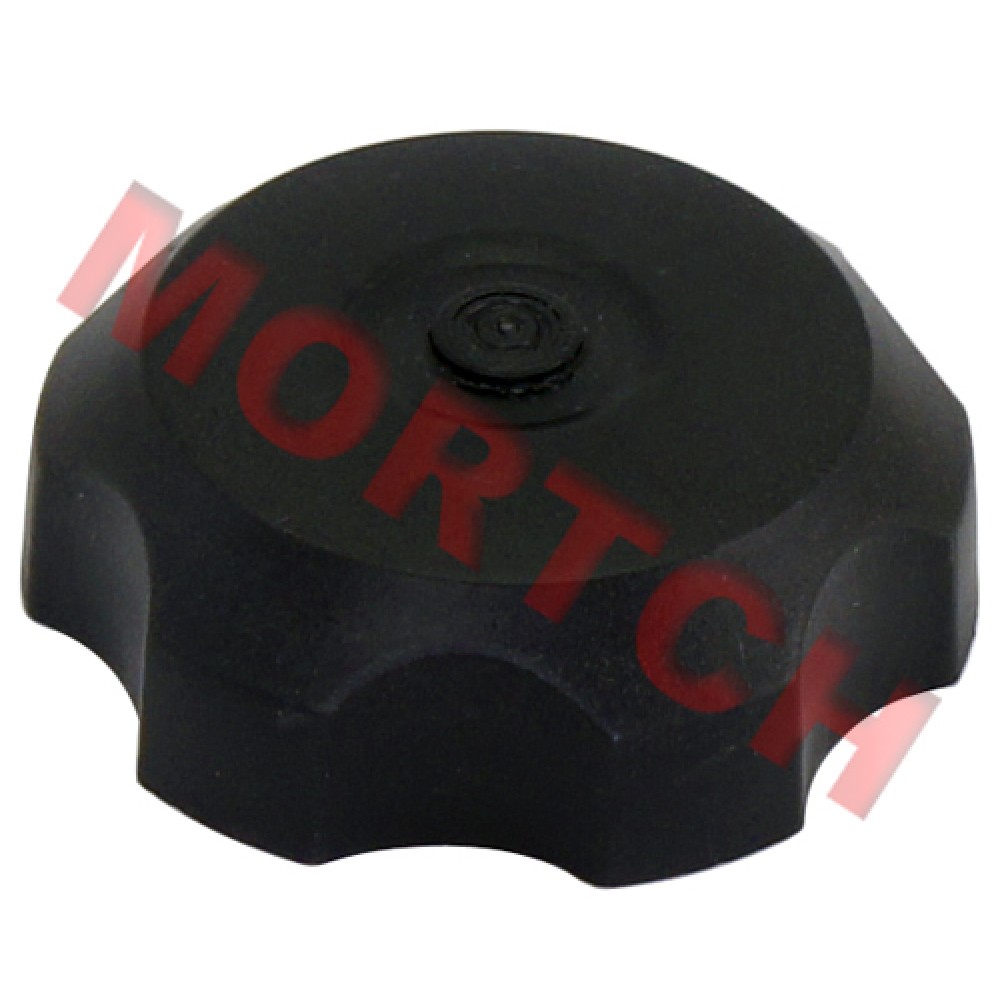
Fuel Tank Cap
01
Fuel Tank Cap
  • - Model: MICF9010-120200
  • - Stock:In Stock
US$5.50
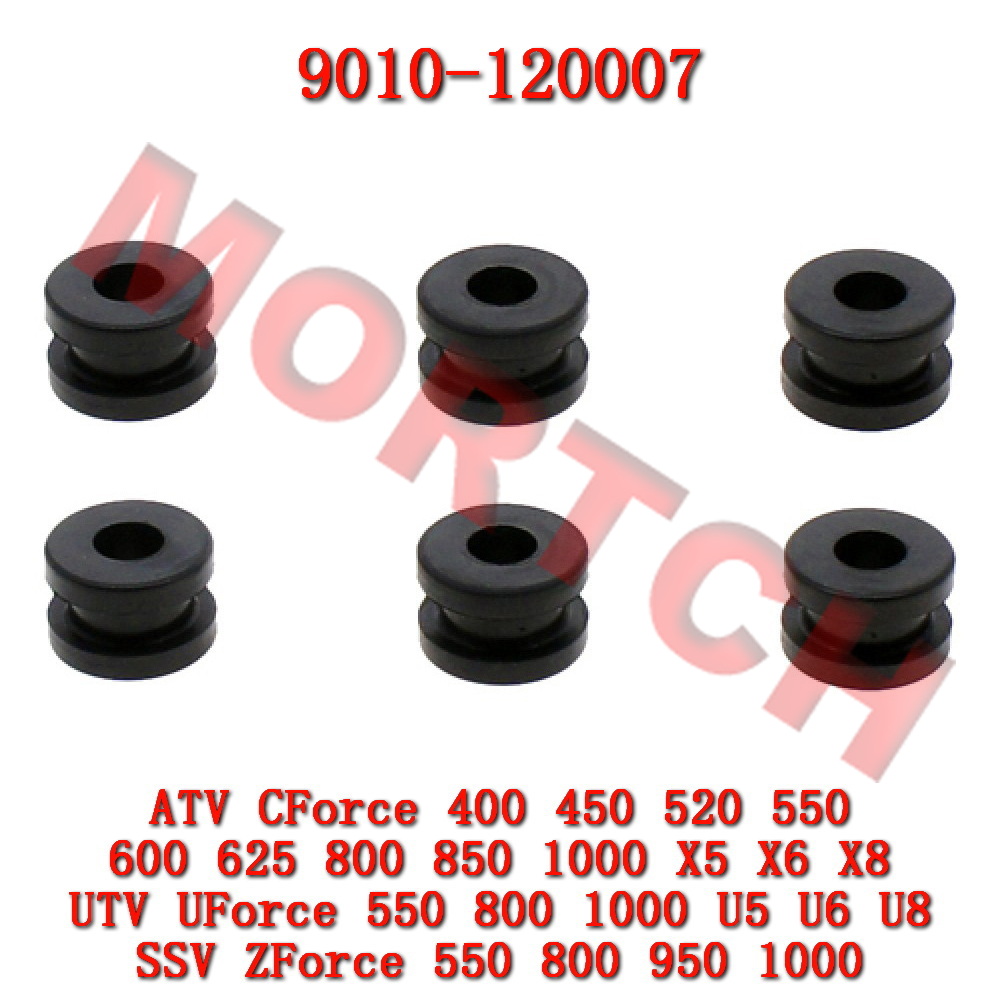
Fuel Tank Rear Cushion Sleeve
03
Fuel Tank Rear Cushion Sleeve
  • - Model: MICF9010-120007
  • - Stock:In Stock
US$1.80
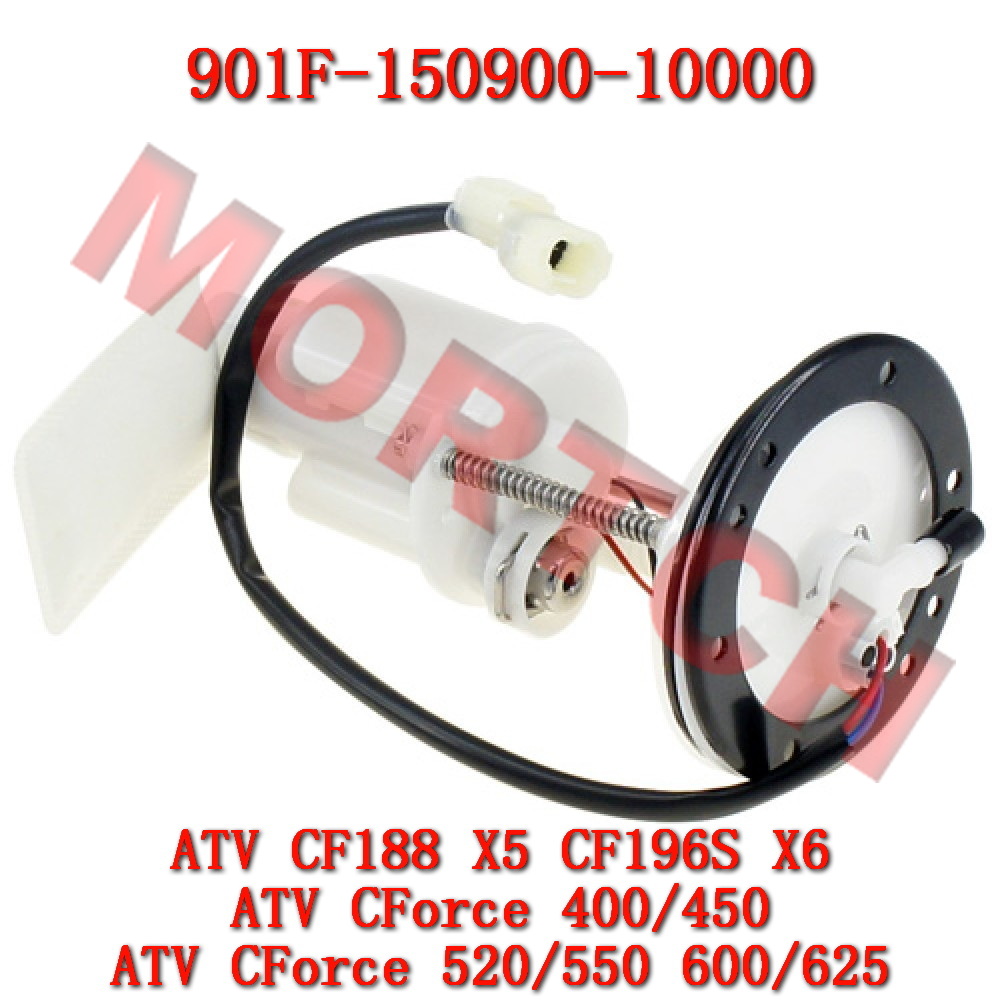
Fuel Pump
07
Fuel Pump
  • - Model: MICF901F-150900-10000
  • - Stock:In Stock
US$37.50
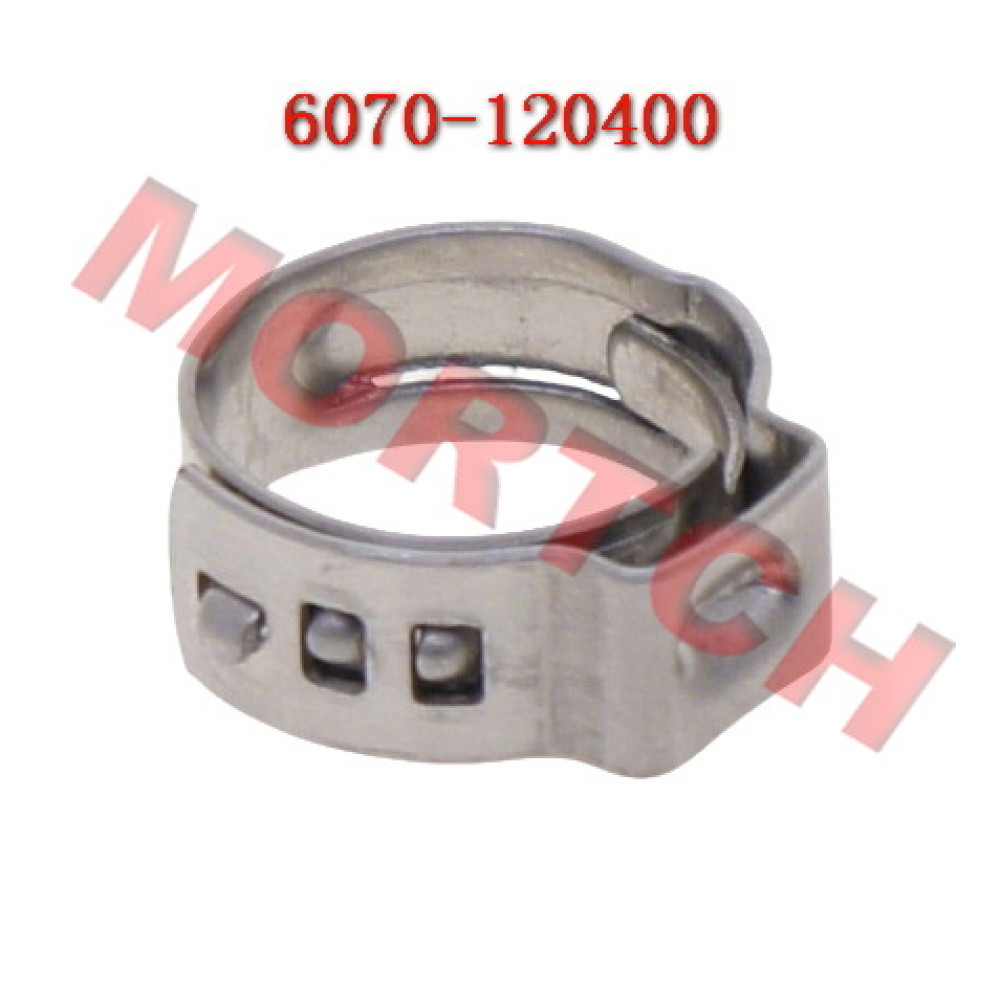
Clamp Dia14.5
08
Clamp Dia14.5
  • - Model: MICF6070-120400
  • - Stock:In Stock
US$0.75
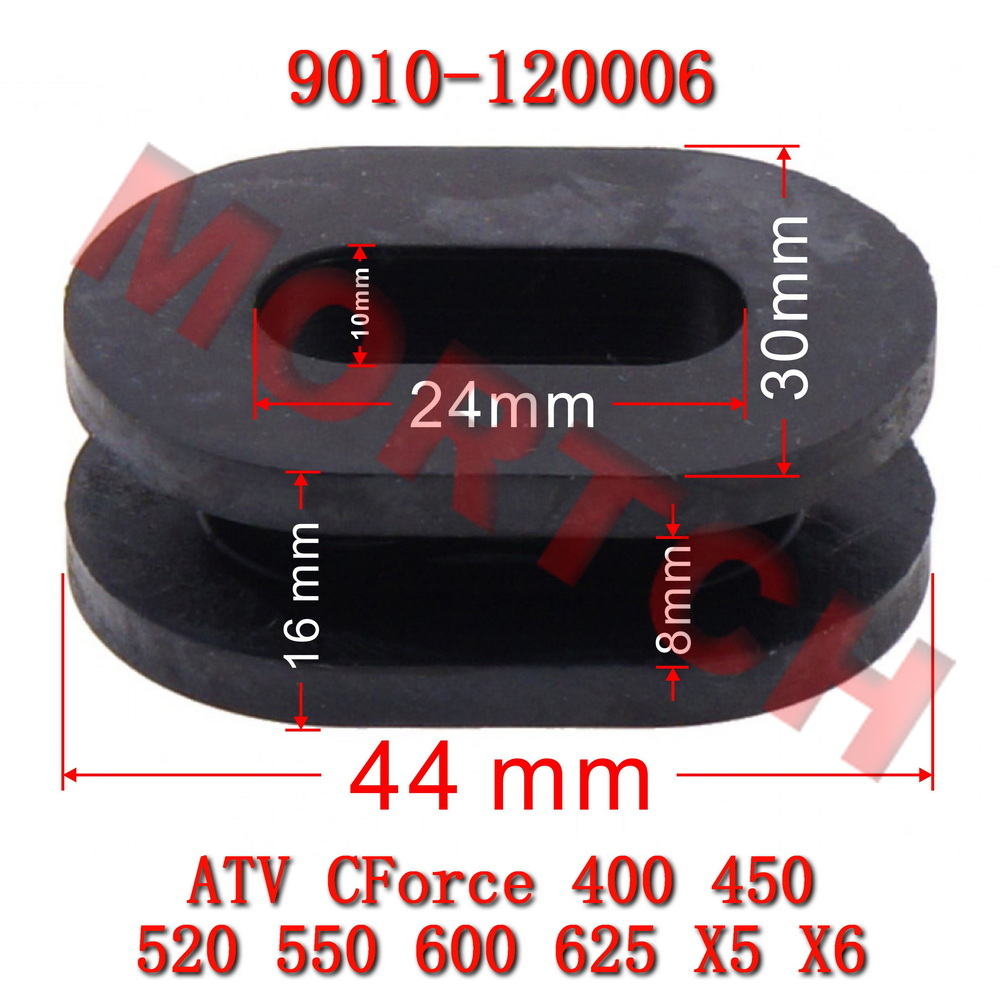
Fuel Tank Front Rubber Sleeve
16
Fuel Tank Front Rubber Sleeve
  • - Model: MICF9010-120006
  • - Stock:In Stock
US$0.90
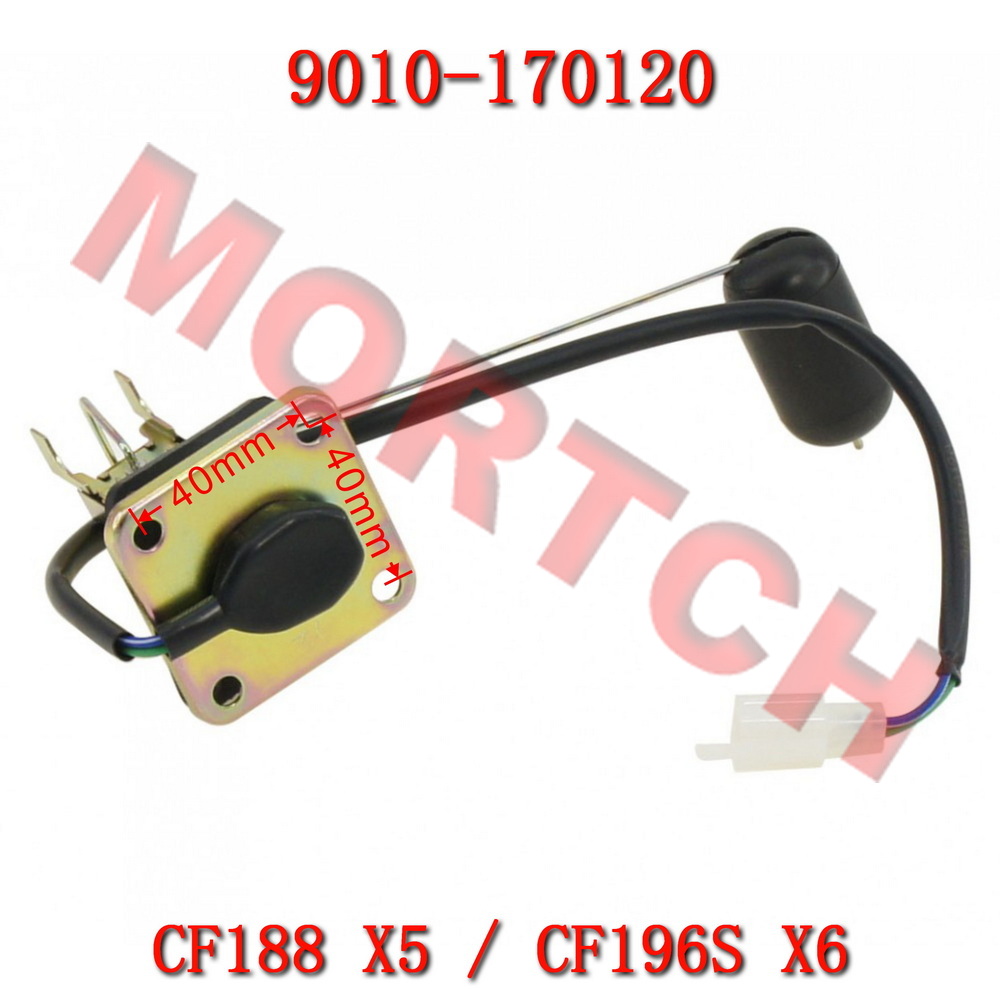
Fuel Level Sensor Assy
18
Fuel Level Sensor Assy
  • - Model: MICF9010-170120
  • - Stock:In Stock
US$5.50
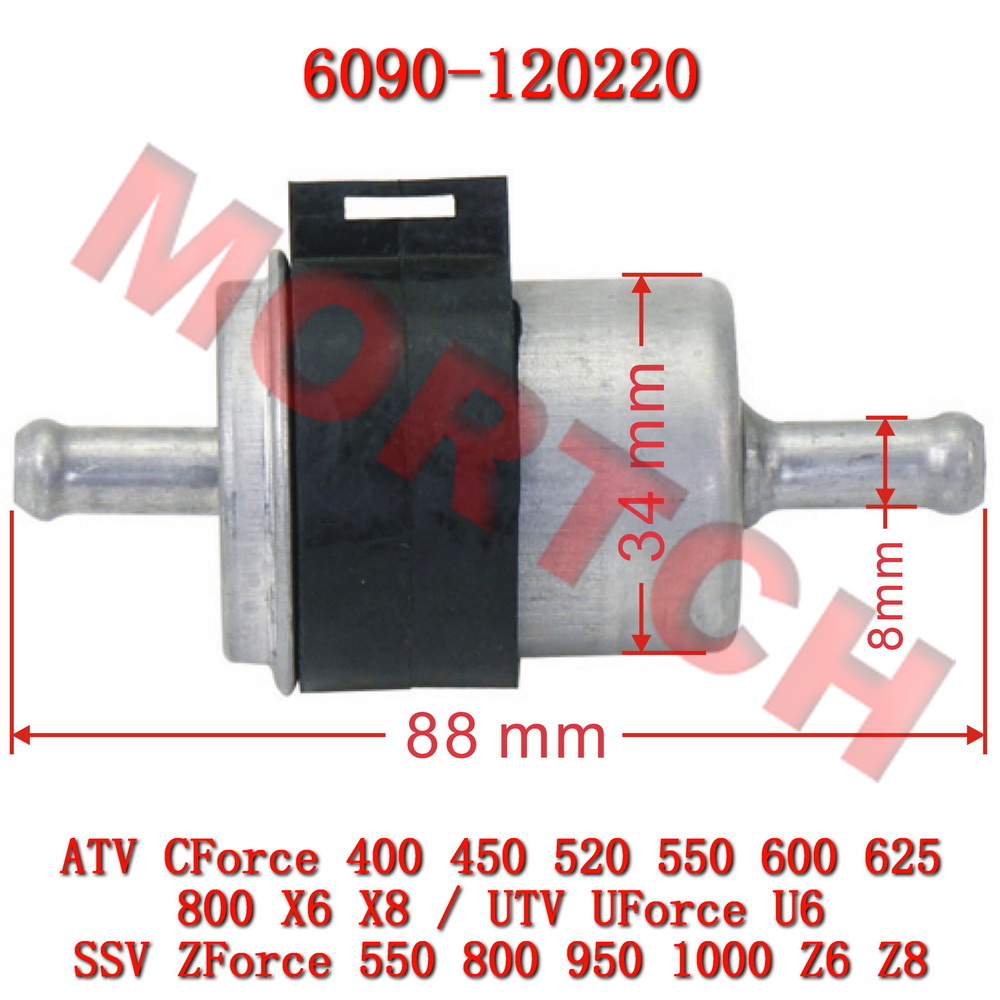
Fuel Filter
20
Fuel Filter
  • - Model: MICF6090-120220
  • - Stock:In Stock
US$10.25
02 MICF9010-120310
04 MICF30006-060025840
05 MICF6080-150921
06 MICF30006-050010840
06 MICF30006-050012840
07 MICF901F-150900
09 MICF901F-120001
09 MICF901F-120001-00001
10 MICF30006-060016840
11 MICF901F-120002
12 MICF901F-120100
13 MICF9010-120008
14 MICF9010-120005
15 MICF9010-040042
17 MICF9010-170121
19 MICF30006-060010840
20 MICF805A-120004
21 MICF8010-120001
22 MICF9010-120601
Information
  • About Us
  • Terms & Conditions
  • Delivery Information
  • Privacy Policy
  • How to Place Order
Customer Service
  • Contact Us
  • Returns
  • GDPR
  • Site Map
Extras
  • Brands
  • Specials
My Account
  • My Account
  • Order History
  • Wish List
  • Newsletter

Online Service
WhatsApp
Messenger
Telegram
WeChat
QQ

Powered By Mortch Inc
Mortch Motor Order System © 2026